
Why robotics matters to the average person today?

In 2026, robotics is no longer just a scene from a science fiction movie. It has moved out of high-tech labs and into our living rooms, hospitals, and grocery stores. While the word “robot” might still bring to mind a shiny metal person, the reality is much more practical and helpful.
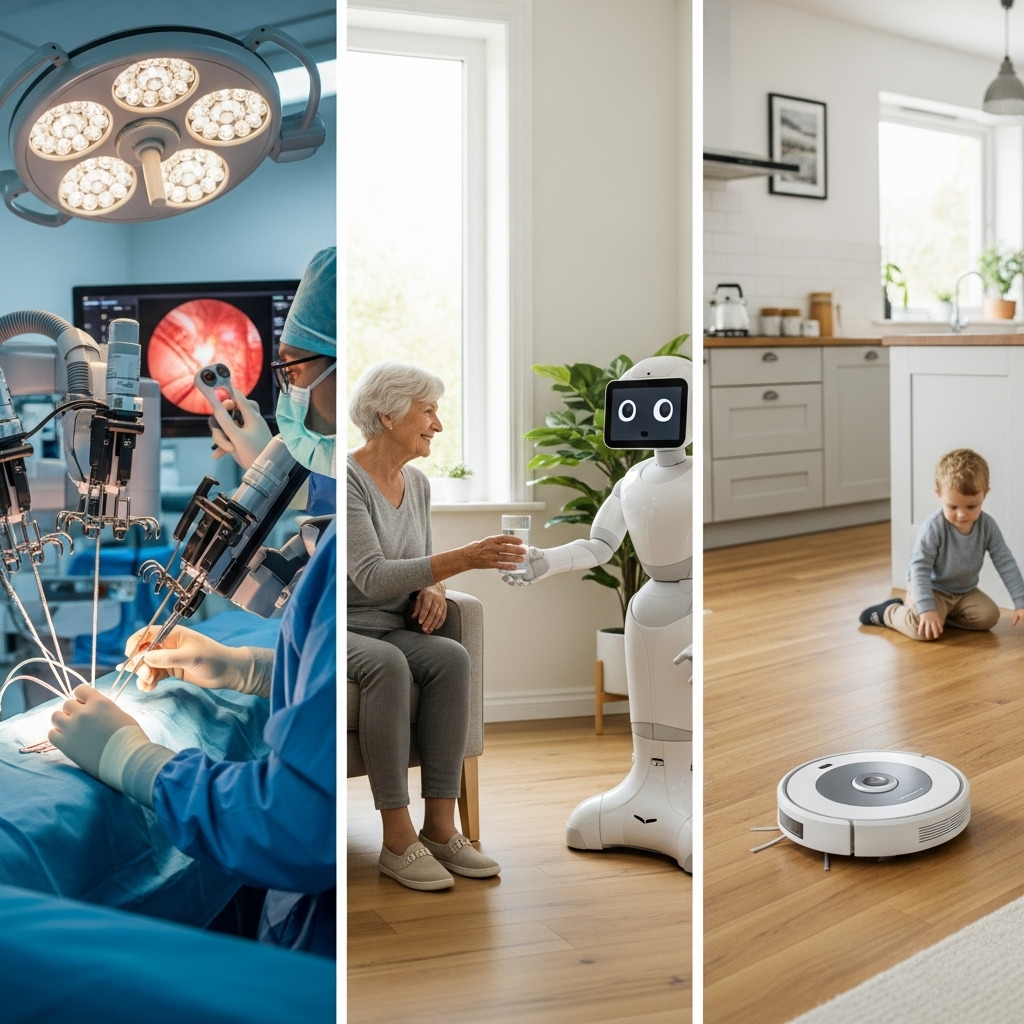
From the vacuum that cleans your floors to the machines that help doctors perform life-saving surgeries, robotics is quietly making life easier, safer, and more efficient for everyone. Here is why robotics matters to you today.
1. More Time for What You Love
The most immediate way robotics affects the average person is by taking over “dull, dirty, and dangerous” tasks. For many of us, this means getting back the most valuable resource we have: time.
Automated Chores
In the past, keeping a home clean required hours of manual labor every week. Today, smart vacuum cleaners and robotic mops use advanced sensors to map your home and clean your floors while you sleep or work. We are also seeing the rise of:
-
Robotic Lawn Mowers: These maintain your yard quietly and consistently without you ever having to push a heavy machine in the heat.
-
Smart Kitchen Assistants: New devices can now prep ingredients, stir pots, and even follow complex recipes to ensure a perfect meal every time.
Freedom from Repetition
By automating repetitive tasks, robots allow us to focus on the things that actually require human creativity and connection. Instead of spending your weekend scrubbing floors, you can spend it with your family or pursuing a hobby.
2. Better and Faster Healthcare
Robotics is currently undergoing a revolution in the medical field, and it’s directly improving patient outcomes for regular people.
Precision Surgery
Surgeons now us
e robotic arms to perform operations with a level of steadiness and precision that no human hand can match. For the patient, this means smaller incisions, less pain, and a much faster recovery time. A surgery that used to require a week in the hospital might now allow you to go home the next day.
Support for Seniors
As the world’s population ages, robots are stepping in to help seniors live independently for longer. “Social robots” can remind people to take their medication, detect if someone has fallen, and even provide companionship to combat loneliness. These aren’t just machines; they are life-enhancing tools that provide peace of mind to families.
3. Safer Workplaces and Roads
Safety is perhaps the most significant “hidden” benefit of robotics. Robots are frequently sent into environments that would be far too dangerous for a person.
-
Disaster Response: Drones and “robot dogs” are used to search for survivors in collapsed buildings or navigate through areas with toxic leaks.
-
Industrial Safety: In factories, robots handle heavy lifting and work with hazardous materials, significantly reducing the number of workplace injuries.
-
Self-Driving Technology: While fully autonomous cars are still evolving, robotic safety features like “lane assist” and “automatic emergency braking” are already saving thousands of lives on the road today.
4. Making Goods More Affordable
You might not see the robots in the background, but they are the reason many of the products you buy remain affordable.
In warehouses for companies like Amazon or DHL, autonomous mobile robots (AMRs) zip around to find and sort items for delivery. Because these robots can work 24/7 with extreme accuracy, shipping is faster and costs are lower. This same efficiency is happening in agriculture, where robotic tractors and drones help farmers grow more food with less waste, helping to stabilize food prices at the grocery store.
5. Learning New Skills for the Future
Finally, robotics matters because it is changing the way we—and our children—learn. Robotics has become a cornerstone of modern education (STEM). By playing with simple, programmable robots, students learn logic, problem-solving, and critical thinking.
Even for adults, the rise of “cobots” (collaborative robots) means that your next job might involve working alongside a robot assistant. Learning to interact with these machines is becoming as essential a skill as knowing how to use a computer or a smartphone.
Conclusion
Robotics isn’t about replacing humans; it’s about amplifying what we can do. Whether it’s giving a surgeon “superhuman” precision, keeping a senior safe at home, or simply making sure your floors are clean, robotics is making the world a more capable place.
Would you like me to help you find a specific robotic tool for your home or explain how a particular type of robot works in more detail?