
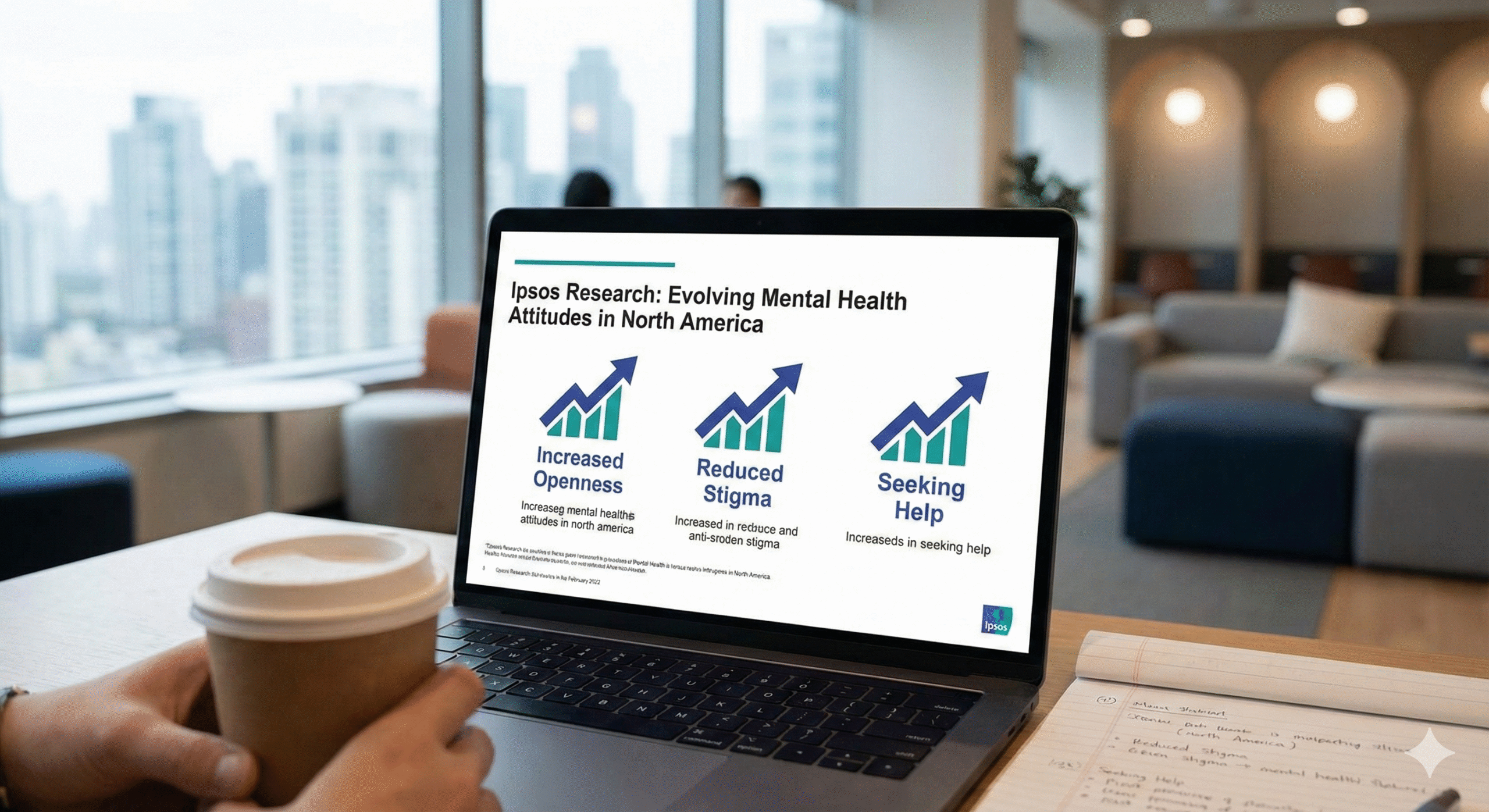
Every year, World Mental Health Day invites us to pause and reflect on the state of our wellbeing — but this year’s findings tell a bigger story.
The Ipsos Health Service Report 2025 reveals that mental health has taken center stage in the global conversation. Across the U.S., Canada, and around the world, more people are opening up about stress, anxiety, and emotional health — yet many still face barriers to care.
🌍 A Top Concern Across North America
For both the U.S. and Canada, mental health now ranks among the top three personal health concerns, alongside cancer and heart disease.
- In the United States, 45% of adults say mental health is one of their top health priorities — a rise of 4 points since 2023.
- In Canada, that number is even higher at 49%, reflecting growing openness and awareness.
- Globally, 42% of respondents cite mental health as a leading concern — showing North America’s continued leadership in bringing these conversations to light.
Canadians also stand out for their trust in mental health services, with nearly 60% saying they believe professional help can make a positive difference — one of the highest confidence levels worldwide.
📊 Younger Generations Are Driving the Change
Ipsos data shows that younger people — especially those under 35 — are leading the charge in talking about and prioritizing mental wellbeing.
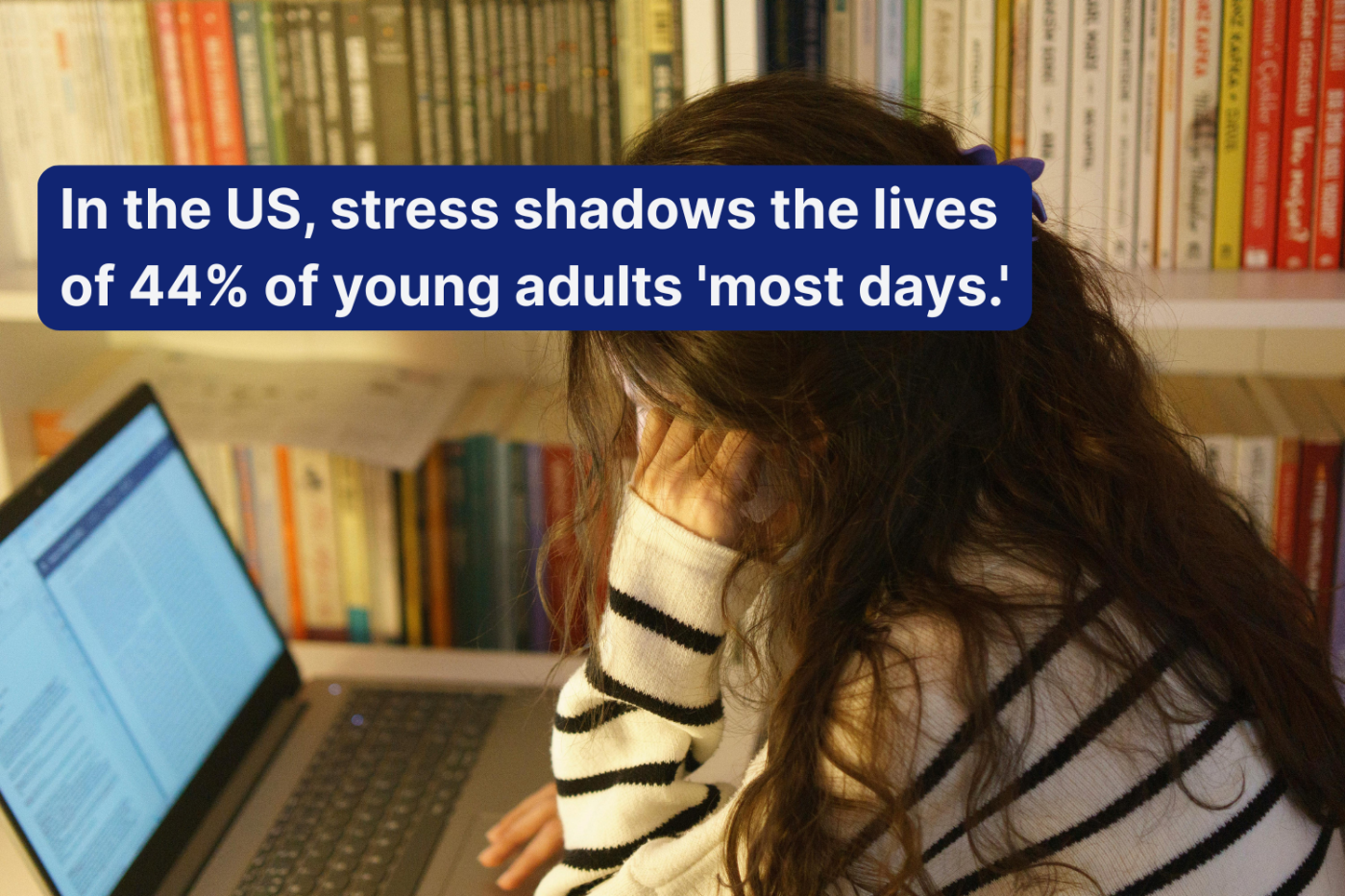
- In the U.S., 44% of respondents aged 18–34 say they experience stress or anxiety “most days.”
- Among Canadian youth, the figure is slightly lower at 40%, but still above the global average of 37%.
Younger generations are also more likely to use digital tools for mental health support.
In 2025, 32% of Americans and 29% of Canadians reported using apps, online therapy, or digital platforms to manage their wellbeing — a jump of nearly 10 percentage points since 2023.
These findings highlight a major shift: people aren’t waiting for help — they’re seeking it on their own terms.
💡 Awareness Is High — But Access Still Has Gaps
While conversations about mental health are more open than ever, access to care remains inconsistent.
In the U.S., 38% of adults say cost is the main barrier to seeking mental health support, while 26% mention availability of services.
In Canada, 28% cite cost, but 31% say long wait times make access difficult — one of the highest rates among G7 countries.
Globally, the picture is similar: 36% of respondents report that mental health support is either too expensive or too limited where they live.
These findings show that while the stigma around mental health is fading, systemic challenges remain — from affordability to availability.
🤝 A Cultural Shift: From Stigma to Support
Perhaps the most encouraging sign from Ipsos’s 2025 data is a growing culture of openness.
Worldwide, over half of respondents (52%) say they feel comfortable discussing mental health with friends or family — up from 46% in 2023.
In both the U.S. and Canada, that comfort level is even higher, reaching 57% and 59% respectively.
North Americans are not only talking more but also supporting one another more openly — through workplaces, schools, and communities.
And the benefits are clear: those who say they feel supported are twice as likely to describe their mental wellbeing as “good” or “very good.”
🌱 Looking Ahead: Beyond Awareness
The Ipsos Health Service Report 2025 makes one thing clear — mental health is no longer just a conversation topic; it’s a societal priority.
Awareness is strong, but the next step is ensuring that care is accessible, affordable, and personalized.
As we recognize World Mental Health Day 2025, let’s remember:
Mental wellbeing isn’t just about coping — it’s about connection, empathy, and shared progress.
Because when we talk, listen, and support each other, we don’t just reduce stigma — we build a healthier, more understanding world.